

The Scoop
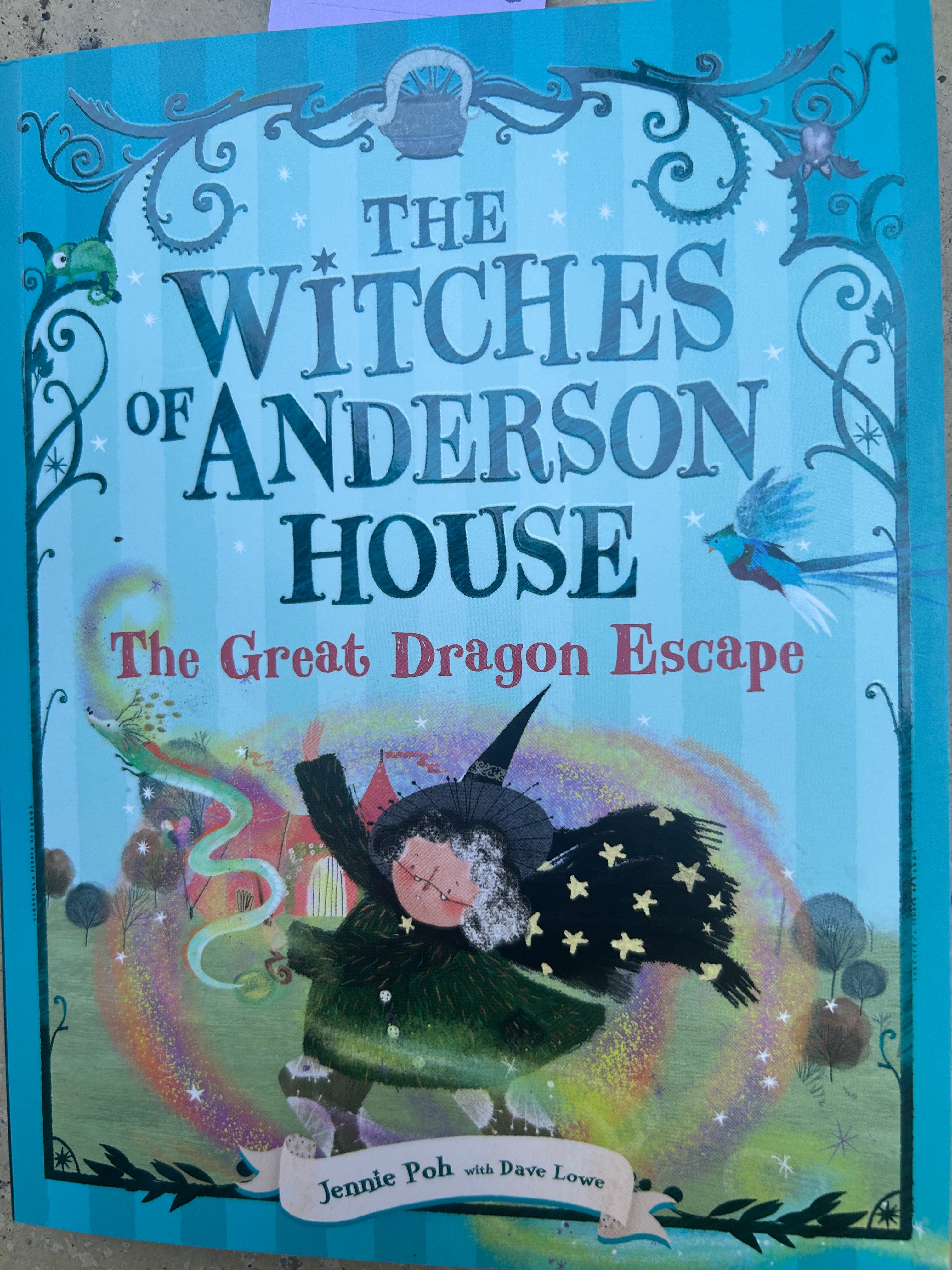
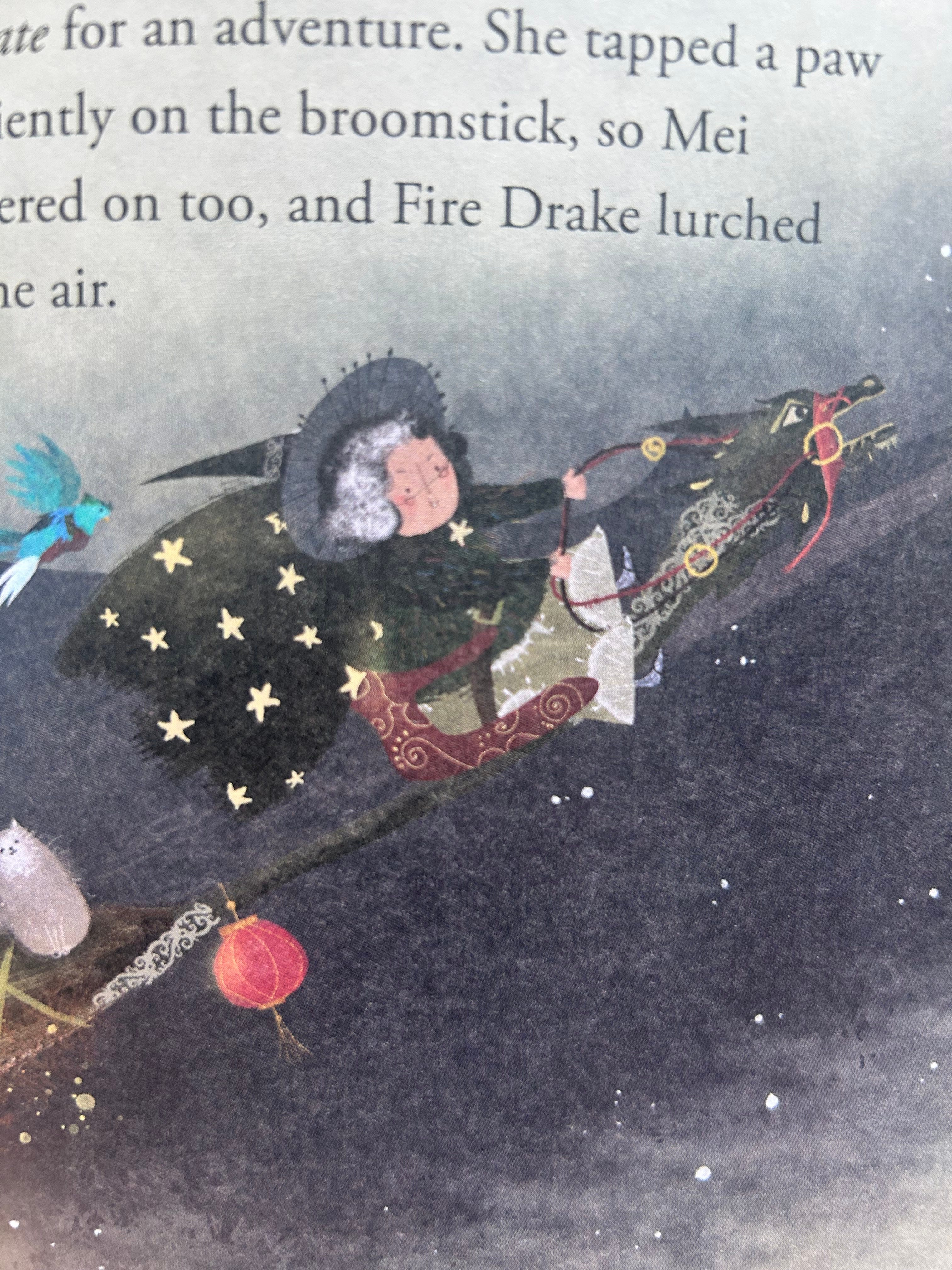
I had a lucky extra few hours in downtown Asheville this afternoon and headed straight to Malaprop’s Bookstore, of course. I love all independent book shops. Though to be honest, I won’t snub a Barnes and Noble if that what’s possible. I decided to indulge in a new (I usually buy used books!) children’s book because I am happy to support these booksellers. I knew the one that was destined for me as soon as I saw it: The Witches of Anderson House: The Great Dragon Escape by Jennie Poh and Dave Lowe. The art of Jennie Poh drew me in like a spell. My first few flips of page revealed a house-full of retired witches with all kinds of different attitudes and attire. The imagery is whimsical and sweet and detailed. Witches + Whimsy Art? Yes please!
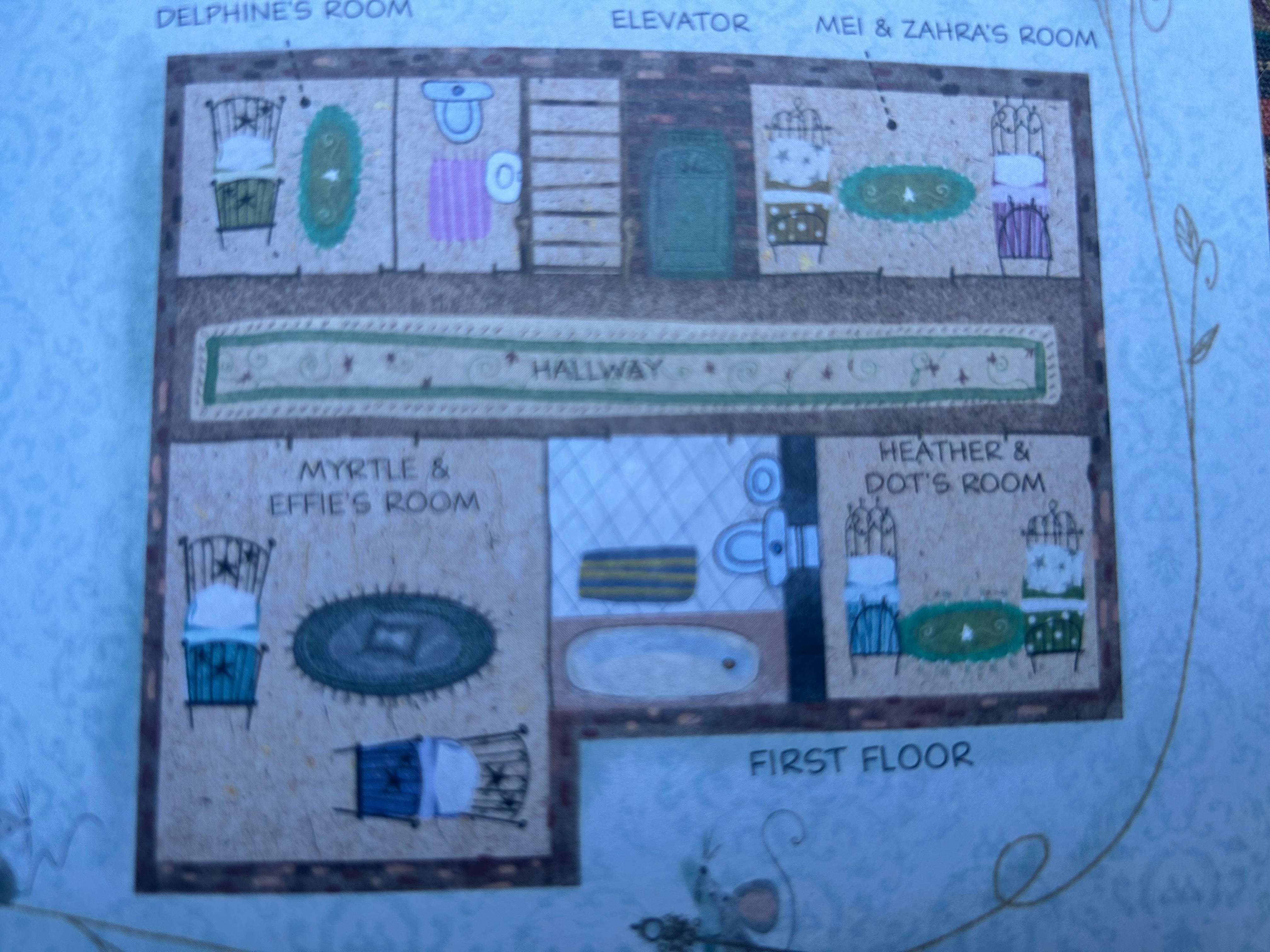
When I had time to settled down with the book and go from cover to cover I knew I had followed my intuition to a little treasure. The introductory pages include labeled maps of Anderson House and the town of Great Snoring! Squee!! Plus vignettes of all the retired witches. I love this kind of start.
Once I got a little into the story I saw that these crones are facing societal pressures to conform (remember the town name is Great Snoring) and what they do within those confines is basically what I did as a teacher within the structures of the public school system, I did whatever I actually wanted and was needed but also made myself useful and didn’t make a big deal out of my boundary pushing and just went about my magical life, letting the snorers snore, or in my case the regimented regiment.
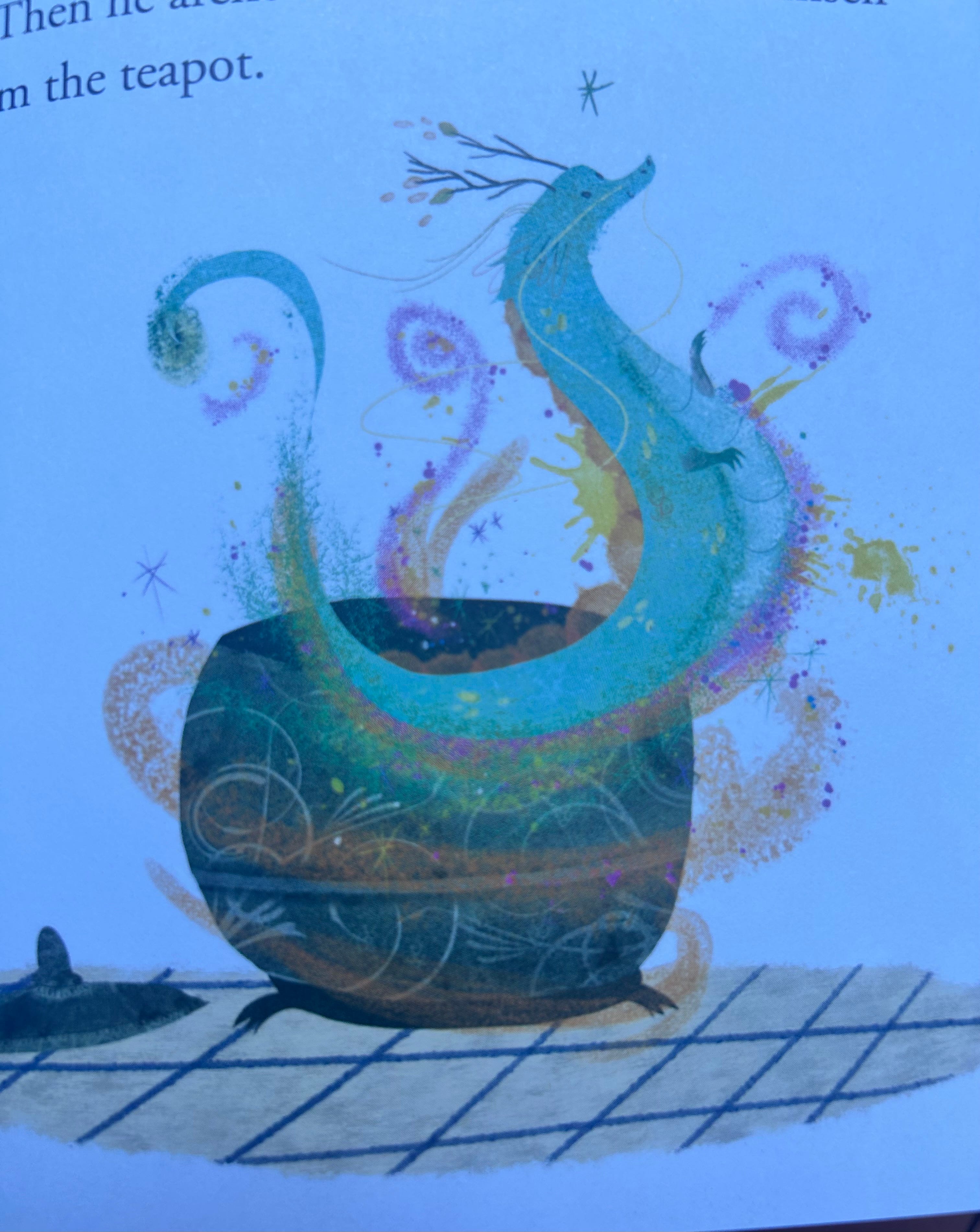
These women are cute but they are fierce. They bake and they unleash epic magic. They are a bunch of women living in a big communal house together. There is tea, cakes, dragons, broomsticks, pointy hats and so many familiars. There is also a town of people that only harbor this household because they think the witches are retired and not practicing magic. I really appreciate the way Poh and Lowe imagine up a story that centers and celebrates old women, while also using the opportunity to notice the usual context of suspicion around powerful women. It’s not heavy handed so you walk away just feeling well this book is magical and also doing real work.
Reading Between the Lines
Who is this book for?
Well, everyone really. I loved it myself! And also kids who are beginning to read chapter books or doing well with easy readers could give it a try on their own. There are no actual chapters in the book, but it 138 beautiful pages. There are many illustrations breaking up the text blocks. There are many pages with just a sentence or so on the page and some with about half the page in text. This would also be a lovely read aloud for children not quite ready to read on their own.
Who is represented in this book?
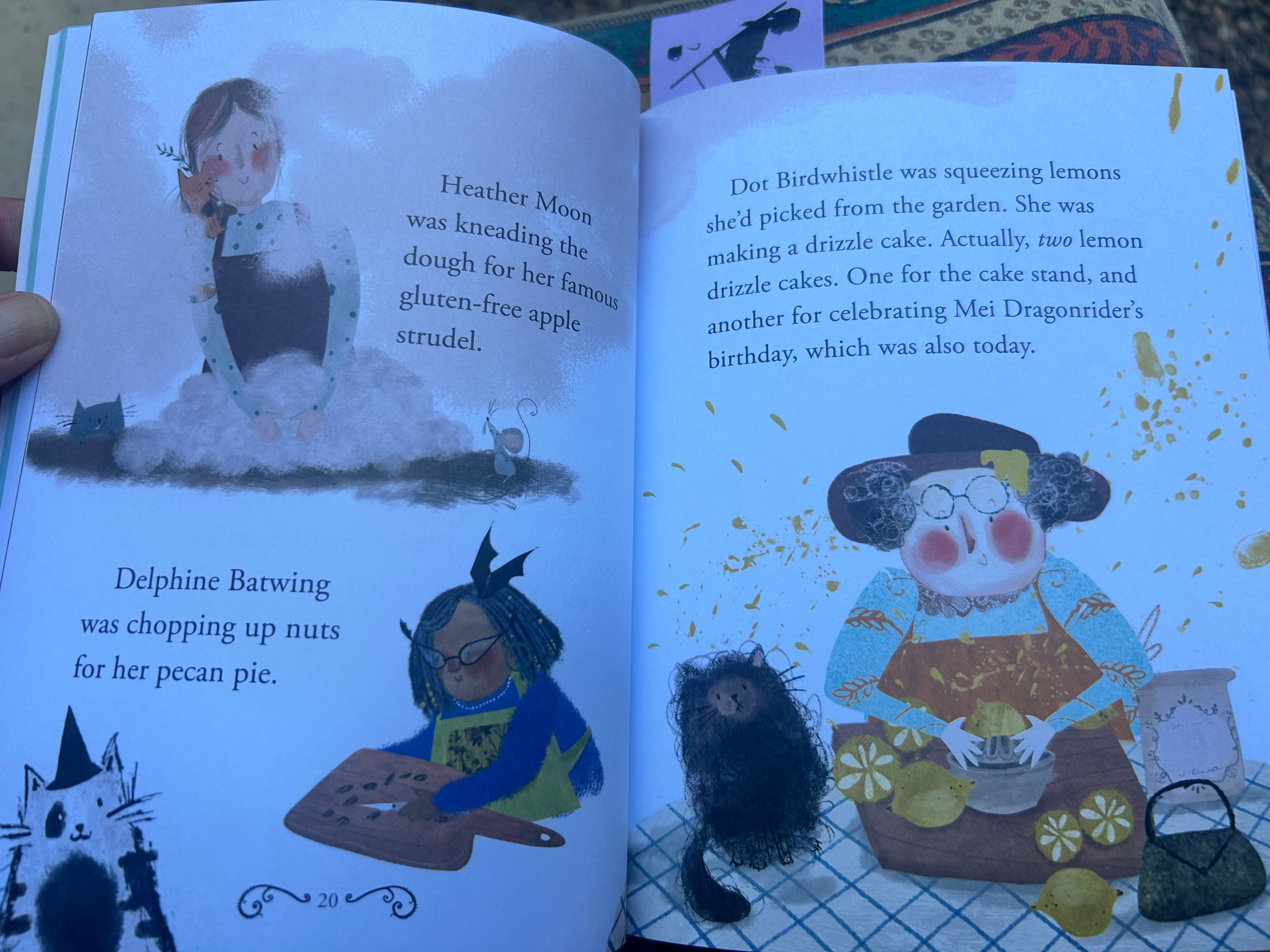
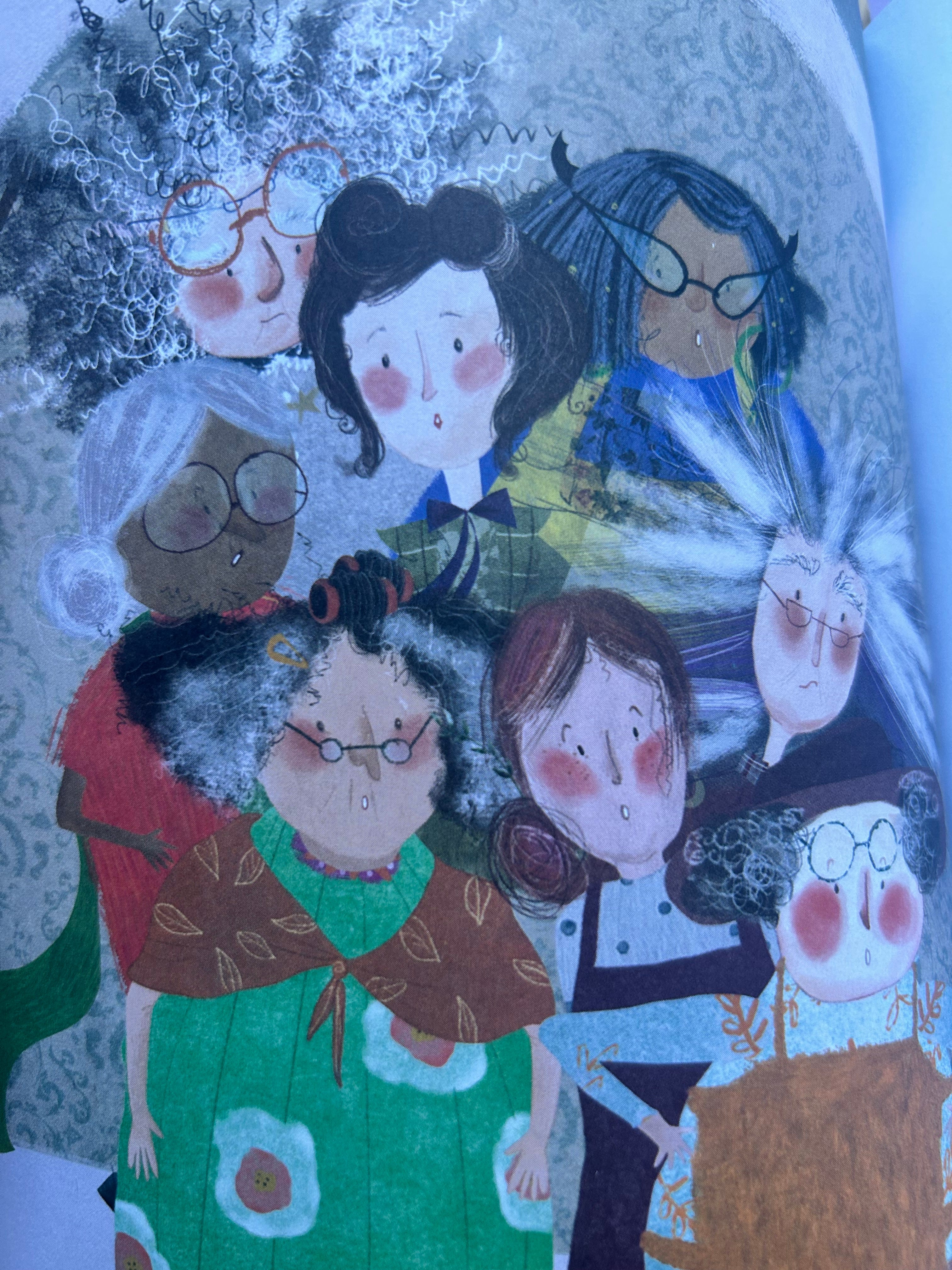
Witches! Excellent representation of older women! Of the household of witches, there is a diversity of skin tones and cultural backgrounds, though the overwhelming majority of the witches present as white. The townspeople seems equally or more diverse in representation of BIPOC folk. There is no school time in the book, so it definetly supportive to SDE vibe. There is not noticeable representation of trans or nonbinary people as of the first two books in the series, nor noticeable representation of same sex couples. However, all the women living in one house is a great representation in itself with subtle power to disrupt homophobia.
Any triggers?
Not for me! Everything is kindly worded.
Is this a series?
Yes! So far there are two books in the series. Along with this one there is The Witches of Anderson House: A Spell for Disaster, which is actually the first book focusing on Myrtle. The escapades of the first book are briefly mentioned in this second one, but each book is self contained.