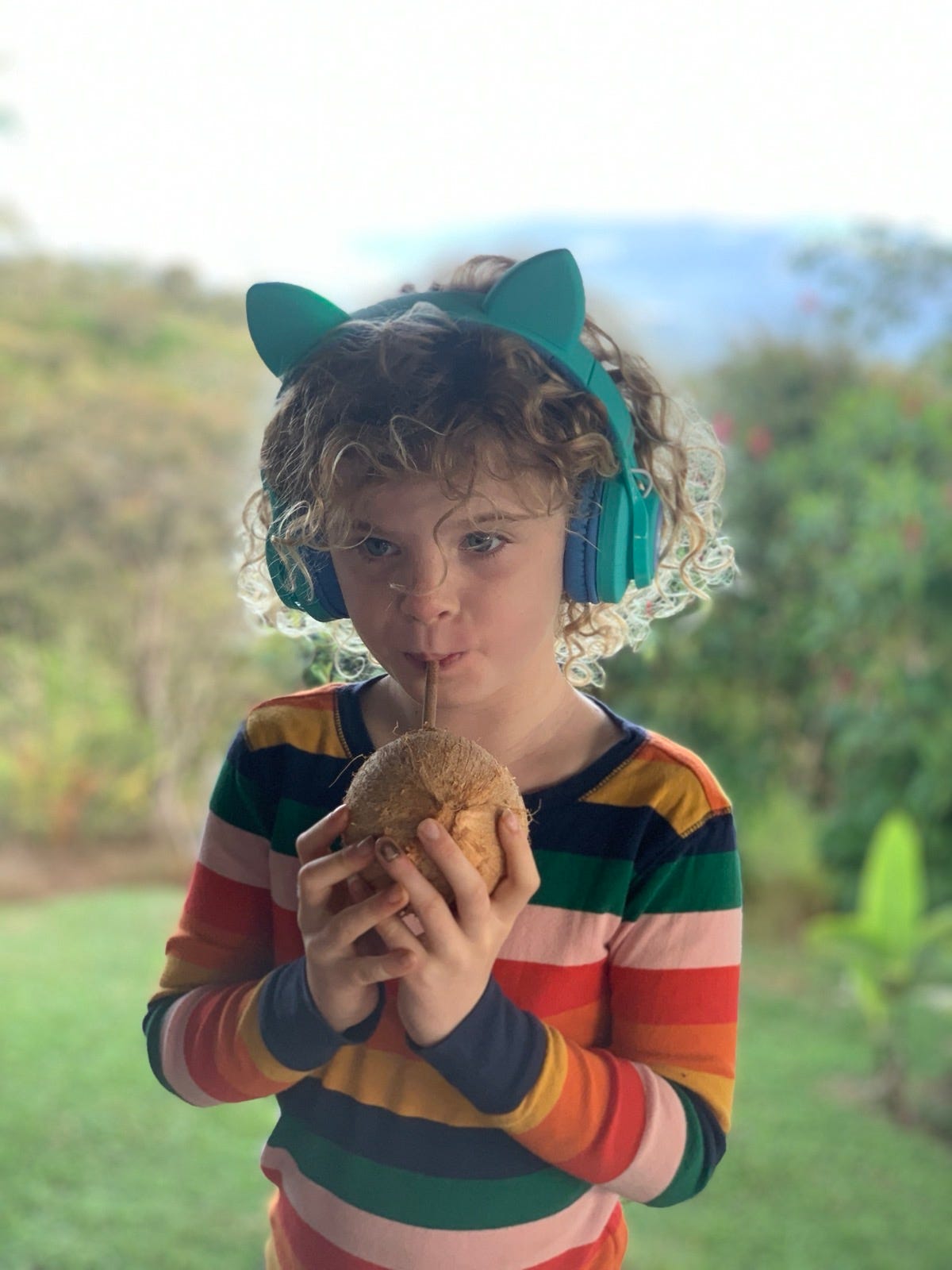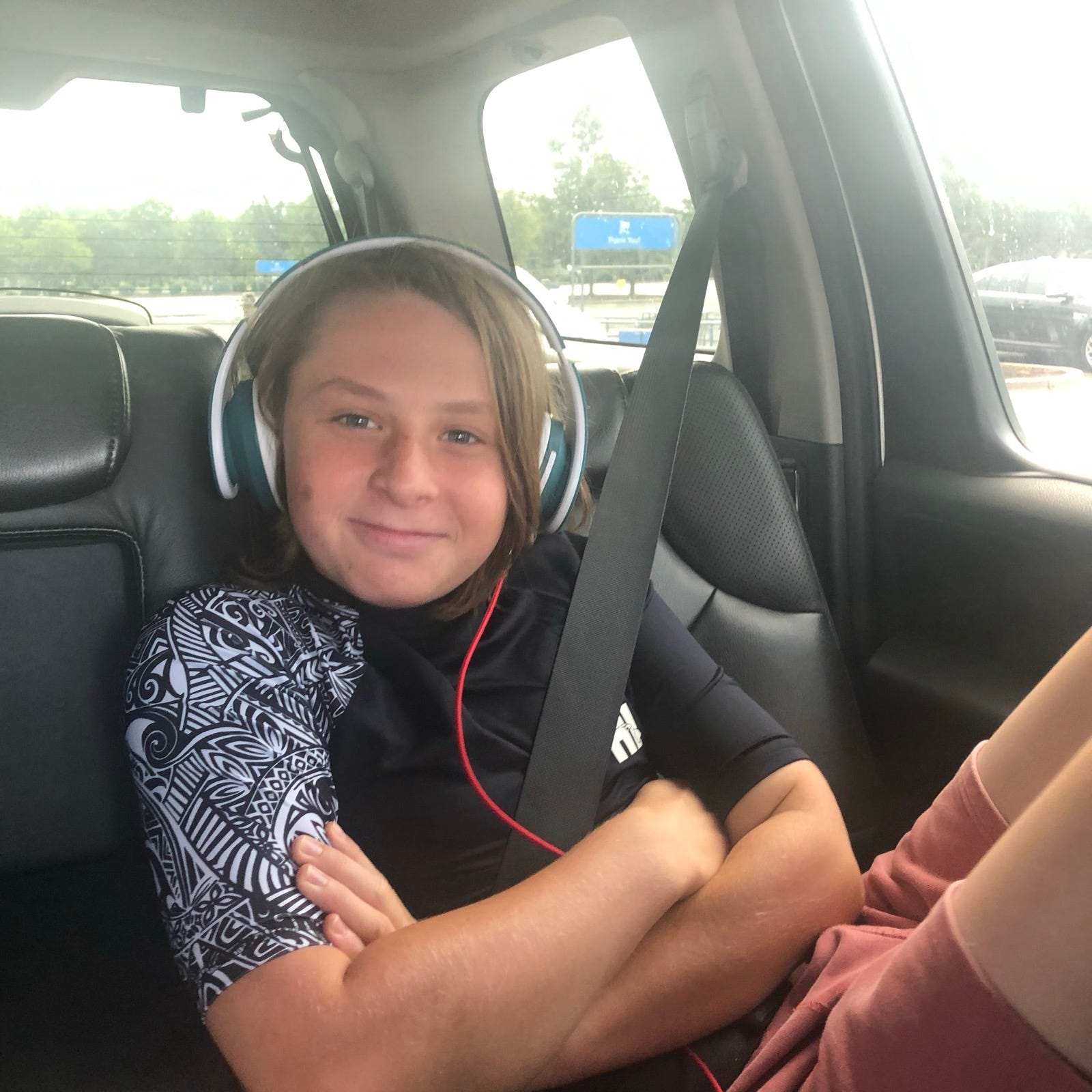

My kids, ages 11 and 18 at the time of this writing, are some of the most well read young people I know. They are also some of the most dyslexic people I have ever met, and I’ve taught a lot of children over the years. Their brains do some incredible things and deciphering letters and words on the page are not part of that or at least not easily. Like many people, I don’t even remember learning to read. It just happened for me with the smallest amount of instruction. By age seven, I carried a Little House on the Prairie book with me wherever I went and to this day I never travel even to the grocery store without a book or a few in tow, just in case. The kids in my household took and are taking a lot of painstaking emotional and cognitive work to learn to eye read. They can do it, but they are basically becoming English linguistic experts to make it happen. They need to learn the minutia of how this language works and then apply all those rules to the words. Reading words on a page or screen is work for them and can be grueling depending on the topic, difficulty and their emotional state.
And yet they read a lot. The youngest in the last few months has read the entire Hunger Games series, including the newest book about Haymitch (Suzanne Collins), is rereading all of her favorite series again: Harry Potter, Wings of Fire (Sutherland), Meet the Austins (L’Engle) and A Series of Unfortunate Events (Snicket). And before that in the late spring she finished The Greenwild Series (Thomson) and the Secrets of the Immortal Nicholas Flammel series by Michael Scott. The oldest has been reading in the Warhammer universe, rereading The Dragonbone Chair by Tad Williams, reading It’s Ok Not to Share and Other Renegade Rules for Raising Children (Shumaker) for his job and The Insect Crisis by Oliver Milman. All of this in the last season for these two.
Reading words on a page is really difficult for them. Really difficult. And they read all the time. How are both of these things true? It’s actually super simple: they read audiobooks. Ben Foss the author of The Dyslexia Empowerment Plan calls it ear reading. It’s the most important accommodation possible for dyslexic people. They need to get the content they want and need through a format that works for their brains, and audio is golden.
Like many dyslexic people my kids access information very easily through audio. As easily as I get meaning from my eyes on the page, they get from their ears. Actually they are so attuned to this way of getting information that they can listen at high speeds and still comprehend. They pick and choose when to turn the speed up and can use super high speeds to skim, speed read or get the gist. They also can ear read at high speeds just fine to intake information. They read at normal speeds for more joy or to share the experience with someone like me who is so confused by the high speeds!
In the beginning audio wasn’t a dyslexia accommodation in our family. My husband and I also enjoy audio books, and we began offering audio books well before the traditional reading ages, so there has been no stigma attached. I first gave my oldest an audio chapter book, Young Fredyl, by Cynthia Voight, when he was three years old. He listened to it over and over again, literally hundreds of times. Eventually he did the same with Mr. Popper’s Penguins (The Atwaters). These had such central place in his early childhood. Eventually he tuned into more and more books this way; way, way before we even thought he could be dyslexic.
So how does it work? Headphones are an important feature. We like comfy over the ear headphones usually. These days and because the children are older they play most of their audio content from phones mostly using Audible. In the past we have heavily accessed our public library’s audio cds, downloadable audio books and preloaded audio books. Before we were ready for phones in our lives, our kids had screenless mp3 players with many audio files on them. My kids have become audio snobs at this point. They can tell you who their favorite narrators are and which version of popular titles have the best audio. And also there is a free access possibility from Bookshare for both blind and dyslexic folk. Sometimes the audio quality isn’t as good, but it’s free and they have so many titles!!
Audio books alone aren’t necessarily a magic poof to reading. However, I’ve seen other dyslexic kids I teach find such joy in finally accessing the content that their peers are able to. In my household I think what has made my extremely dyslexic kids such exceptional readers is that they have had both access to literature from an early age and at almost all times and they live in a culture of reading. I am always there with book recommendations, trips to the library, reading to them aloud, family read alouds, audio books on car rides. We talk incessantly about our favorite authors and books. We tell our friends about favorite books and get them to read with us or take their recommendations. We watch movies and shows that retell books we like. The parents wait excitedly to introduce books to our kids when the right age seems to be coming around. We are a reading family and part of a reading culture in our broader community. Without this part the interest and motivation for books is left more to chance. Maybe audio books will give a dyslexic person the exciting access to literature! And maybe that person is not as driven by story and words as the two dyslexic people in my household. And really that is okay too! I love reading, but the world has plenty to offer and books, oh lovely books, are just one aspect.